

Can playing a simple-looking puzzle actually rewire how a student approaches complex problems? Today’s educators constantly battle student disengagement, often finding that traditional textbooks struggle to compete with digital distractions. According to modern learning specialists, the most effective studying happens when we don’t even realize we are learning—a concept widely known as stealth education. Instead of forcing rote memorization, this approach uses engaging challenges to quietly sneak logic and problem-solving skills into a genuinely fun experience. Have the Best information about daftar tutor78.
Longtime internet users likely remember the early 2000s, an era filled with slow, battery-draining Flash player animations. While those early programs introduced us to online play, the underlying technology eventually became obsolete due to security flaws and mobile incompatibility. Industry data reveal that modern platforms have completely transformed this landscape by adopting HTML5, a universal web language that loads instantly on any device without clunky downloads. This crucial technical leap paved the way for reliable, highly responsive educational browser games for students.
Bridging the gap between casual entertainment and serious skill-building is exactly where tutor78 Games comes in. By replacing passive video watching with active participation, these interactive classroom learning tools require players to make choices, test theories, and adjust based on immediate feedback. Just like lifting weights builds physical muscle, navigating these intuitive logic loops builds mental fitness. Users stop merely reading about how to solve a problem and start actually practicing the solution, transforming any basic web browser into a powerful environment for active learning.
Why Your Browser Is Now a Powerhouse: The Shift from Flash to HTML5
Remember when playing a web game meant waiting for a clunky plugin to update? Those days are over. Today’s web browsers use HTML5 gaming architecture, which acts like a built-in universal translator. Instead of forcing you to bolt an extra program onto your browser, the game code runs naturally and directly on the webpage.
Behind the scenes, this architectural shift completely changes how your device handles playtime. Through a process called hardware acceleration, the browser efficiently borrows a little extra muscle from your computer’s main processor, helping modern games load up to 50% faster. Furthermore, these games operate within a “sandboxed environment.” Think of this like a secure glass box: the game plays perfectly inside it, but it absolutely cannot reach out to touch your personal files or device settings.
Evaluating the best alternatives to flash game websites reveals three practical advantages to this modern setup:
- Enhanced Security: The glass-box sandbox approach eliminates the safety risks common in older, outdated plugins.
- Smooth Speed: Direct hardware processing guarantees lag-free, instant gameplay.
- Universal Compatibility: You can solve a puzzle on your laptop and seamlessly switch to your phone without ever downloading a dedicated app.
Mastering these underlying HTML5 online gaming platform features reveals exactly why tutor78 titles run so flawlessly across all your devices. Because they are woven directly into standard web traffic rather than requiring external downloads, they interact uniquely with network security, requiring a closer look at how standard school filters process these connections.
The Anatomy of an ‘Unblocked’ Game: Navigating School Filters Safely
Staring at an “Access Denied” screen during a quick mental break is universally frustrating. Network administrators use URL filtering—acting much like a digital security guard—to manage your web traffic. Some systems rely on “blacklisting” to block known distractions, while others use “whitelisting” to create a strict VIP list of pre-approved educational websites. When people try to bypass school internet filters for entertainment, they often accidentally wander into hidden online dangers.
That temptation frequently pushes users toward “mirror sites,” which are unofficial, copycat versions of popular web pages. While they look authentic, these duplicates usually lack the secure sandbox protections we discussed earlier, exposing your device to unwanted risks. Discovering how to access unblocked games safely involves ignoring those shadowy copies and sticking to trusted educational portals like tutor78, which are widely whitelisted by institutions because they provide genuine mental workouts rather than mindless clicking.
True digital literacy and safe gaming habits require recognizing a trustworthy platform instantly. A secure environment always displays three clear signs: a locked web address icon, clear educational value, and no requests to download extra files. Once you safely navigate the network landscape, your attention can shift from browser security to the on-screen challenge itself, where logic puzzles actively engage the brain under pressure.
Solving Problems Under Pressure: How Logic Puzzles Rewire the Brain
Notice how a ticking timer suddenly makes simple choices feel incredibly difficult? That panic happens when your “executive function”—your brain’s mental management system—gets overwhelmed. Tackling digital brain teasers strengthens your neural pathways, helping you stay calm under pressure.
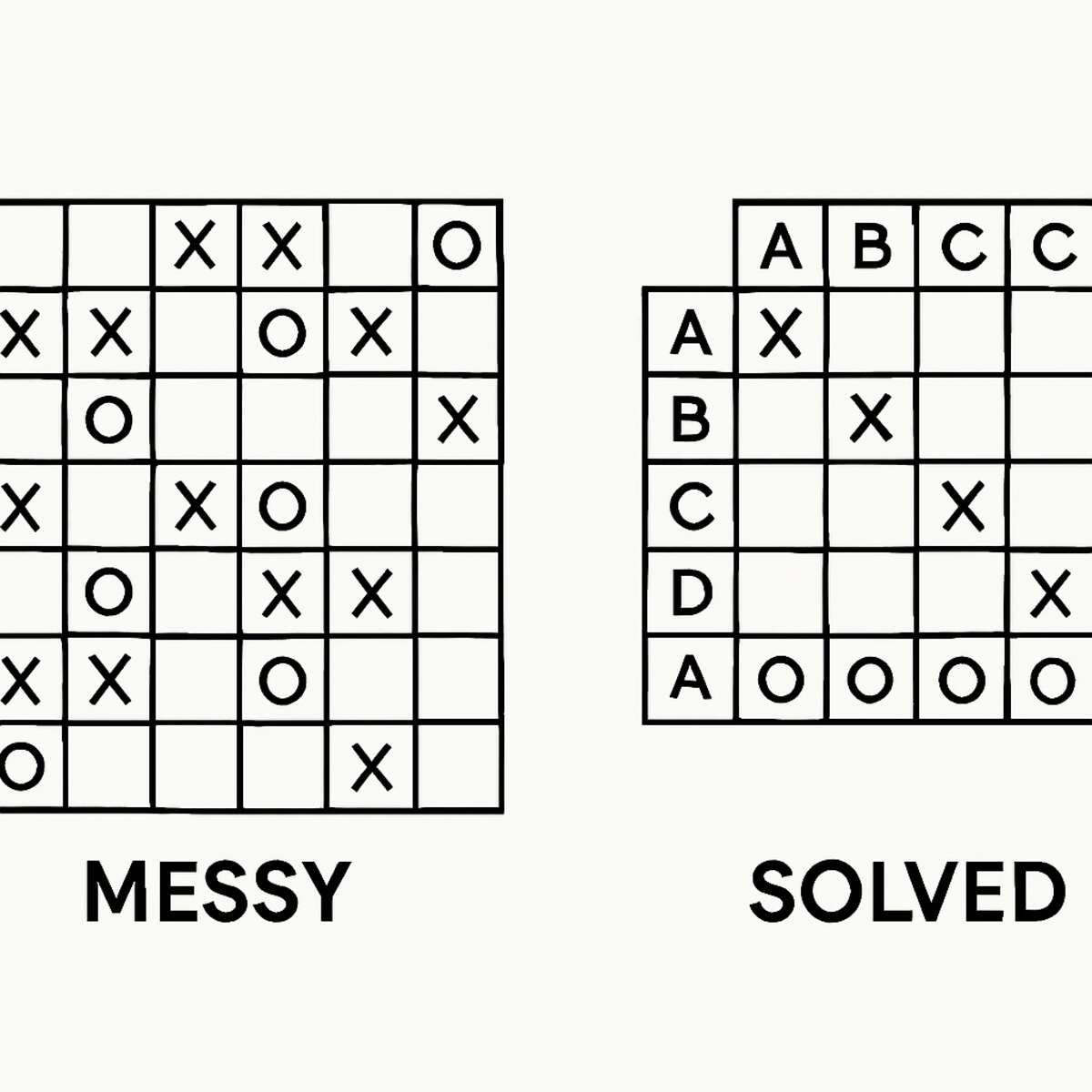
Inside tutor78 Games, players naturally encounter three specific challenges designed to train this mental focus. You will navigate spatial packing puzzles, sequence tasks where the exact order matters, and true-or-false decision pathways. Think of these mechanics as a digital workbench for practicing problem-solving without any real-world consequences.
Failing a level actually provides the biggest cognitive benefit because it builds trial-and-error resilience. When a piece doesn’t fit, you simply reset and adapt rather than quitting. This safe space for making mistakes is the secret behind improving cognitive skills with logic puzzles, teaching you to view setbacks as valuable data rather than permanent failures.
Mastering these challenges eventually translates directly into everyday decision-making through “if-then” thinking. Anticipating how one digital move changes the entire board helps you better organize complex daily schedules or troubleshoot minor problems at home. Because these mental workouts successfully disguise themselves as pure entertainment, their inherent educational value makes them highly effective classroom tools.
Interactive Classroom Tools: Why Teachers are Turning to tutor78
Getting students to focus after recess or lunch often feels impossible. Instead of fighting that scattered energy, educators now use educational browser games to help students build a mental bridge. By starting lessons with quick puzzles, teachers create a “gamified curriculum”—a strategy that successfully transforms traditional, tedious worksheets into highly engaging math and logic warm-ups.
Enjoying a task helps the brain absorb the underlying lesson much faster, a concept educators call the “Engagement-Retention” loop. To harness this natural curiosity, instructors carefully select STEM-aligned interactive classroom learning tools that engage students through play. Here are a few practical ways teachers use these as 5-minute ‘Brain Break’ activities in the classroom:
- Solving digital spatial puzzles to smoothly transition between different subjects.
- Playing visual pattern-matching games to practice core math sequences.
- Tackling quick true-or-false logic grids to calm the room before tests.
The true power behind these brief exercises lies in instant feedback loops. If a student places a digital puzzle piece incorrectly, the system immediately signals the error, allowing them to adjust their strategy right then and there. This real-time correction builds problem-solving confidence without the anxiety of waiting for a red-ink grade. Because these resources require zero installation to run effectively, setting up an entire room of thirty students takes seconds, highlighting the broader shift toward lightweight, cloud-based gaming.
The End of the ‘Download’ Era: Why Cloud-Based Gaming Wins
We’ve all seen that frustrating “storage full” message when trying to open a new app. Instead of forcing you to delete photos or documents, tutor78 relies entirely on cloud-based gaming without downloads. Using a clever web feature called the “browser cache,” your device borrows a temporary sliver of memory to run the game, much like laying out tools on a temporary workbench. Close the tab, and that space instantly frees up, saving gigabytes of permanent local storage on school-issued laptops or family tablets.
Expensive hardware used to be required for quality play, but modern engineering changes the rules. Because the complex processing happens behind the scenes, even an older, lower-end smartphone can run these logic puzzles perfectly. This accessibility is enabled by responsive web design for mobile gaming, which automatically adjusts the screen layout to match your device, ensuring a smooth, lag-free session.
Picking up exactly where you left off is another major benefit of this system. Using persistent “save states”—digital bookmarks tied to your user profile rather than your physical laptop—you can start a puzzle on a desktop and finish it later on a phone. Naturally, relying entirely on the web means you might occasionally hit a connectivity bump, which will require some basic troubleshooting knowledge.
Troubleshooting the ‘Black Screen’: Why Web Games Fail to Load
Staring at a blank screen when you are ready to play is incredibly frustrating. First, determine if the glitch is a server error on the developer’s end or a browser error on your device. If other websites load perfectly but the game stays black, your browser is likely holding on to temporary, outdated files that conflict with the site’s latest update.
Fixing this mismatch requires a simple trick called a “force refresh.” Pressing Ctrl+F5 (or Cmd+Shift+R on a Mac) tells your device to bypass those old saved files and download a fresh copy of the page. Think of it as tossing out an outdated map and asking for new directions; mastering this single shortcut solves the vast majority of troubleshooting for loading issues in web games.
Another common culprit involves WebGL, the background technology your browser uses to draw 3D graphics. To smoothly display these richer HTML5 online gaming platform features, browsers rely on “hardware acceleration.” This setting shifts the visual heavy lifting from your computer’s general brain to its specialized graphics chip. If it is accidentally turned off, the game simply cannot generate the images.
Follow this quick checklist to get back on track:
- Load a different website to verify your internet connection.
- Press Ctrl+F5 to force refresh the game page.
- Check your browser settings to ensure hardware acceleration is enabled.
- Try an “Incognito” window to see if a browser extension is blocking the game.
With your screen glowing again, you can shift your focus toward collaborative problem-solving and multiplayer logic.
Multiplayer Logic: Collaborative Problem Solving in the Browser
Now that your screen is glowing, the fun begins when you invite others to join the puzzle. Playing tutor78 Games with friends is a powerful social-emotional learning (SEL) workout. When players tackle challenges together, they naturally develop three critical social benefits: active listening, cooperative problem-solving, and emotional patience when initial strategies fail. Instead of getting frustrated on your own, you learn to negotiate solutions with a teammate, turning a tricky logic loop into a shared victory.
Behind the scenes, keeping everyone in sync requires clever technology called low-latency sockets. Think of this setup as a high-speed digital pipeline connecting players. In the past, you might move a piece and wait awkward seconds for your friend to see it. Today, these sockets enable data to flow instantly in both directions, powering seamless multiplayer functionality in browser-based apps. When your partner clicks a block, you see it happen in real-time, just like sitting across a physical board game together.
Fostering this collaborative spirit safely requires keeping the environment focused. Secure games manage communication through built-in moderation tools and structured chat menus, keeping conversations centered on strategy rather than outside distractions. Because players can communicate securely while untangling puzzles, the experience transforms from a solitary mental exercise into a vibrant community effort. Grasping how these social connections elevate brain training shows that modern arcade experiences go far beyond chasing simple high scores.
Why ‘Arcade’ Isn’t Just for High Scores Anymore
We’ve all chased ghosts in classic games like Pac-Man, driven by the simple thrill of a blinking high score. Yet, if you search for what are the most popular arcade games online today, you will find a shift from mindless tapping to brain-building challenges. Modern platforms like tutor78 Games focus on “strategic reaction time.” Instead of rewarding pure speed, the game requires you to think before acting, seamlessly turning quick reflexes into sharp problem-solving.
Wondering why it feels so hard to walk away from these strategic puzzles? The secret lies in a psychological mechanic called the dopamine loop. Every time you solve a tiny piece of a puzzle, your brain releases a small burst of a feel-good chemical. Much like checking off items on a daily to-do list, this natural reward system keeps learners happily engaged, making them forget they are actually practicing complex logic.
Bringing this energetic focus into a learning environment relies on three standout arcade sub-genres: puzzle-platformers for spatial awareness, rhythm games for sequencing, and physics-builders for basic engineering. Wrapping these vital cognitive skills in colorful, fast-paced packages effectively transforms everyday screen time into genuine mental fitness. Seeing how these mechanics perfectly blend entertainment with education emphasizes the importance of choosing a thoughtfully curated platform over unverified sites.
tutor78 vs. The Competition: What Makes a Top-Tier Portal
Searching for quality entertainment often feels like digging through a disorganized flea market. Automated sites scrape the internet, dumping thousands of untested titles onto one page without checking their actual value. In contrast, evaluating tutor78 Games versus other popular unblocked game portals is like entering a thoughtfully curated library. Every title is hand-picked to sharpen logic rather than just burn time, creating a focused, frustration-free digital workbench.
Spotting an ad-heavy trap early saves your device from massive headaches. When you see “HTTPS” and a padlock next to a web address, the site uses an SSL certificate. Think of SSL as a private, secure tunnel protecting your personal connection from outside snoops. Generic gaming sites frequently ignore this basic safety measure, instead relying on deceptive advertisements that trick users into clicking malicious links.
Here is a table-style look at how a premium experience compares against standard web dumping grounds:
- Ads: Generic portals rely on disruptive pop-ups; tutor78 ensures clean, uninterrupted interfaces.
- Safety: Generic portals often lack SSL certificates; tutor78 maintains a fully encrypted connection.
- Education: Generic portals host mindless distractions; tutor78 focuses entirely on cognitive skill-building.
A reliable “Safe for School” platform always delivers four essential features: verified security, zero intrusive ads, curated content, and a clear layout. Identifying these trusted environments is the critical first step toward building better digital routines. Once you secure an enriching platform, you can seamlessly weave brain-training into your daily routine.
Mastering Digital Habits: Your Roadmap to Productive Play
You no longer have to view screen time as just a way to pass the clock. By understanding the mechanics behind tutor78 Games, you can now turn everyday puzzles into powerful mental workouts. Building these logic skills early doesn’t just help you beat the next level; it lays a strong foundation for long-term career benefits by sharpening your daily problem-solving and decision-making capabilities.
To make the most of this “Productive Play,” try creating a balanced schedule that mixes these digital challenges with your everyday responsibilities. Here is your step-by-step guide to safe online play and smart gaming:
- Warm-Up (10 Minutes): Start your morning or work session with a quick logic puzzle to wake up your brain.
- The Mix (20 Minutes): Combine a dedicated session of tutor78 Games with traditional study or reading to reinforce your new pattern-recognition skills.
- Reflect (5 Minutes): Ask yourself how the game’s obstacles apply to real-world tasks, like organizing your calendar or planning a complex project.
As browser-based education continues to evolve, these tools will only get more immersive. Virtual reality (VR) puzzle rooms may soon make this kind of learning even more dynamic. For now, training your brain’s ability to spot patterns through browser games provides an accessible way to translate digital victories into real-world clarity.
