


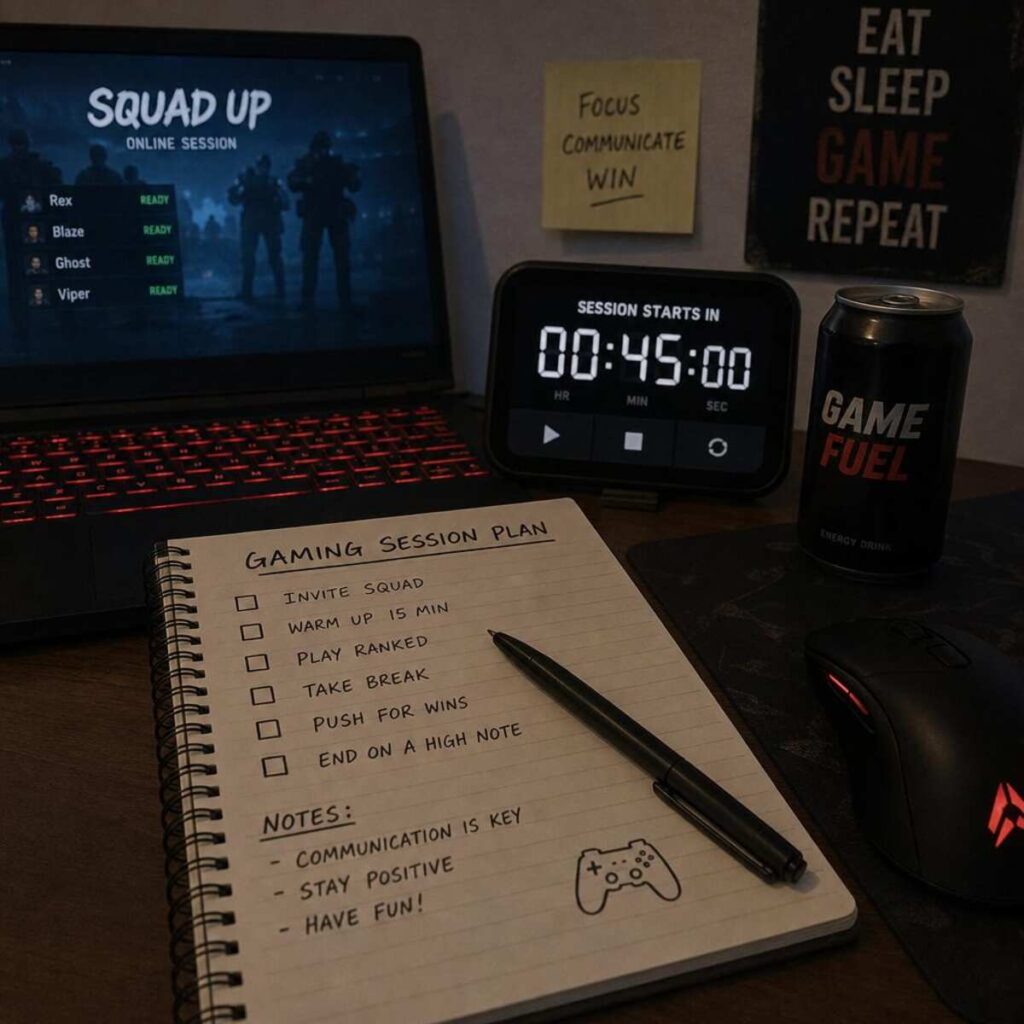
Remi189 gaming is best approached as structured online entertainment: you choose games carefully, set limits before you play, understand the rules, and treat every session as a risk rather than a guaranteed outcome. This guide shares practical, high-level strategies for Playing on remi189 gaming with more clarity, discipline, and control. The focus is not on shortcuts or unrealistic promises of winning, but on smarter habits that can help you make better decisions and enjoy the experience responsibly. The actual Interesting Info about remi189.
Why does strategy matter in remi189 gaming?
Strategy matters because online gaming decisions can quickly become emotional, especially when money, time, rewards, or competition is involved. A clear plan helps you decide what to play, how long to play, how much to risk, and when to stop before the session begins controlling you. In remi189 gaming, success should be understood as a mix of enjoyment, discipline, responsible bankroll management, and informed choices rather than a guaranteed outcome.
A strong strategy starts with a simple mindset shift: you are not trying to “force” results. You are managing a session. That means choosing games you understand, playing within your limits, and avoiding decisions driven by frustration, urgency, or the belief that one more round will fix everything.
This is especially important because many online gaming environments include multiple categories, fast gameplay, promotions, and changing outcomes. Without structure, it is easy to jump from one game to another, increase stakes too quickly, or ignore the time you planned to spend. With structure, every action has a reason.
Start with a clear purpose before you play
Before opening any game, decide why you are there. Are you playing casually for entertainment? Are you exploring a new game type? Are you testing a small budget to learn how a feature works? Your answer changes the way you should approach the session.
A casual entertainment session should feel relaxed and controlled. You might choose familiar games, set a modest budget, and stop once the time limit is reached. A learning session should be conducted with even greater care because unfamiliar rules can lead to avoidable mistakes. In that case, your main goal is not to win; it is to observe, understand, and practice restraint.
A purpose-driven approach keeps your decisions consistent. If you begin with the goal of learning one slot’s bonus structure, for example, jumping into live casino games halfway through the session breaks the plan. If your goal is a short entertainment break, extending the session due to a loss also disrupts the plan.
Useful session purposes include:
- Entertainment: Play a familiar game for a fixed amount of time with a fixed budget.
- Learning: Explore one game category slowly and focus on rules, pace, and features.
- Comparison: Try two or three games with small stakes to see which style fits you best.
- Budget testing: Track how long a set amount lasts without increasing the stake.
- Promotion review: Read the terms of an offer and decide whether it fits your style.
The important point is that your purpose should be specific enough to guide your choices. “I want to win” is not a strategy. “I will spend 30 minutes learning how this game works with a small preset budget” is a strategy.
Build a bankroll plan that protects your session
A bankroll plan is the foundation of responsible play. It is the amount you are comfortable setting aside for entertainment, separated from essential expenses and savings. Once that amount is set, your job is to protect it through limits, pacing, and discipline.
The most common mistake is treating the bankroll as flexible. If you set a session budget and then add more after a loss, the budget was not really a budget. It was just a starting point. A real bankroll plan includes a firm maximum and a clear stopping point.
Think of your bankroll in layers:
- Total entertainment budget: The amount you can afford to spend over a week, month, or chosen period.
- Session budget: The amount you allow for one playing session.
- Stake size: The amount used per round, spin, hand, or bet.
- Stop-loss limit: The point where you end the session to prevent deeper losses.
- Stop-win point: The point where you choose to lock in a positive result instead of risking it all back.
For example, imagine a player named Daniel sets aside a modest monthly entertainment budget. Instead of using it all in one evening, he divides it into several smaller sessions. During each session, he uses a low stake and stops if half the session budget is gone. This does not guarantee a profit, but it gives him more control and prevents one poor session from consuming the entire budget.
That is the real value of bankroll planning. It does not change the outcome of a game. It changes your exposure to risk.
Choose games based on understanding, not impulse
One of the most practical strategies in remi189 gaming is to play games you actually understand. Visual appeal, themes, and fast action can make a game look exciting, but excitement alone is not enough. You should know what you are clicking, what each feature means, and how the game progresses.
For slot-style games, look at how paylines, multipliers, bonus rounds, free spins, or special symbols work. For casino-style games, understand the basic rules, available options, and the speed of play. For sports-related gaming, understand the market type, settlement rules, and how odds relate to probability and risk.
A useful habit is to pause before switching games and ask:
- Do I understand the rules well enough to explain them simply?
- Do I know the minimum and maximum stake options?
- Is the pace comfortable, or does it pressure me into fast decisions?
- Do I know what would make me stop playing this game?
- Am I choosing this game because it fits my plan or because I feel impatient?
Original example: Maya prefers slower decision-making, so she avoids fast rounds when she feels tired. Instead, she chooses a game she already understands and lowers her stake. Her goal is not to chase a result; it is to keep the session calm and predictable. That small choice improves the quality of her decisions.
Impulse is not always obvious. Sometimes it looks like curiosity. Sometimes it looks like confidence after a win. Sometimes it looks like frustration after a loss. Choosing games based on understanding helps you avoid all three traps.
Learn the rules before increasing your stake
Every game has a structure. Some are simple, some are layered, and some include features that only make sense after several rounds. Increasing your stake before learning that structure creates unnecessary risk.
A practical rule is to treat the first stage of any new game as observation time. Use the lowest comfortable stake, watch how the game behaves, and avoid making assumptions based on a few outcomes. Short-term results can be misleading, especially in games where chance plays a major role.
During this learning stage, focus on details such as:
- The basic objective of the game.
- The available stake range.
- How wins and losses are calculated.
- Whether bonus features require specific triggers.
- How quickly rounds move.
- Whether the game encourages rapid repeat play.
- Whether you feel calm or rushed while playing.
If a game feels confusing, step away and choose something easier to understand. Confusion is not a challenge you need to conquer during a paid session. It is a sign that you need more information or a different game choice.
What is the smartest way to manage time while playing?
The smartest way to manage time is to decide your session length before you start and use reminders that interrupt automatic play. Time limits are powerful because they protect your attention, reduce fatigue, and help you avoid long, emotion-driven sessions. In remi189 gaming, a good time strategy is just as important as a money strategy.
Online gaming can feel faster than expected. A few short rounds can become an hour, especially when you are switching between games, checking promotions, or trying to recover a previous result. A timer creates a clean boundary.
Try this simple time plan:
- Set a session length: Choose a realistic window, such as 20, 30, or 45 minutes.
- Add a halfway reminder: Use it to check your budget, mood, and focus.
- Take a short break: Step away from the screen before deciding whether to continue.
- End at the planned time: Do not extend the session because of one recent outcome.
- Record the result: Note whether you followed the plan, not only whether you won or lost.
The halfway reminder is especially useful. It gives you a chance to ask, “Am I still playing the way I planned?” If the answer is no, you can stop before the session becomes reactive.
A player might begin with a 30-minute session and set a reminder at 15 minutes. At that point, they check whether they are still within budget and whether they feel clear-headed. If they feel irritated, they end the session early. That is a successful decision, even if the session did not end with a win.
Keep emotion out of stake decisions
Stake decisions should be made before the session, not in the heat of the moment. When stakes change because of emotion, risk often increases. This can happen after both wins and losses.
After a win, a player may feel confident and raise the stake too quickly. After a loss, a player may feel pressured to recover and raise the stake out of frustration. Both reactions are emotional, even though they feel different.
A better approach is to use stake rules. These rules should be simple enough to follow when you are tired or excited. For example, you might decide that your stake will remain the same for the entire session. Or you might allow only one planned adjustment after a set number of rounds, never after a single win or loss.
Strong stake rules include:
- Do not increase stakes immediately after a loss.
- Do not double stakes to recover quickly.
- Do not raise stakes because a game “feels due.”
- Do not change stakes when you feel irritated, rushed, or overconfident.
- Do use smaller stakes when learning a new game.
- Do stop if you want to increase stakes for emotional reasons.
This kind of discipline may sound basic, but it is one of the most important habits for Playing on remi189 gaming responsibly. A calm stake plan can prevent a single emotional moment from damaging the entire session.
Use promotions carefully and read the terms
Promotions can look appealing, but they should never replace careful decision-making. Before using any bonus, offer, cashback feature, free spin package, or reward program, read the terms clearly. If the requirements do not align with your normal playing style, the promotion may not be useful to you.
The practical question is not, “Does this offer look valuable?” The better question is, “Can I use this offer comfortably without changing my limits?” If the answer is no, skip it.
When reviewing a promotion, look for details such as:
- Eligibility requirements.
- Minimum deposit or participation rules.
- Wagering or turnover requirements.
- Game restrictions.
- Time limits.
- Withdrawal conditions.
- Maximum reward limits.
- Any excluded games or bet types.
Original example: Lina sees a promotion connected to a game category she rarely plays. The offer looks attractive, but the conditions would require her to spend more time and budget than planned. She decides not to use it. That decision may feel less exciting, but it protects her from changing her behavior for a reward she may not actually value.
A promotion should support your plan, not rewrite it. If an offer encourages you to play longer, stake higher, or choose games you do not understand, it may be a poor fit.
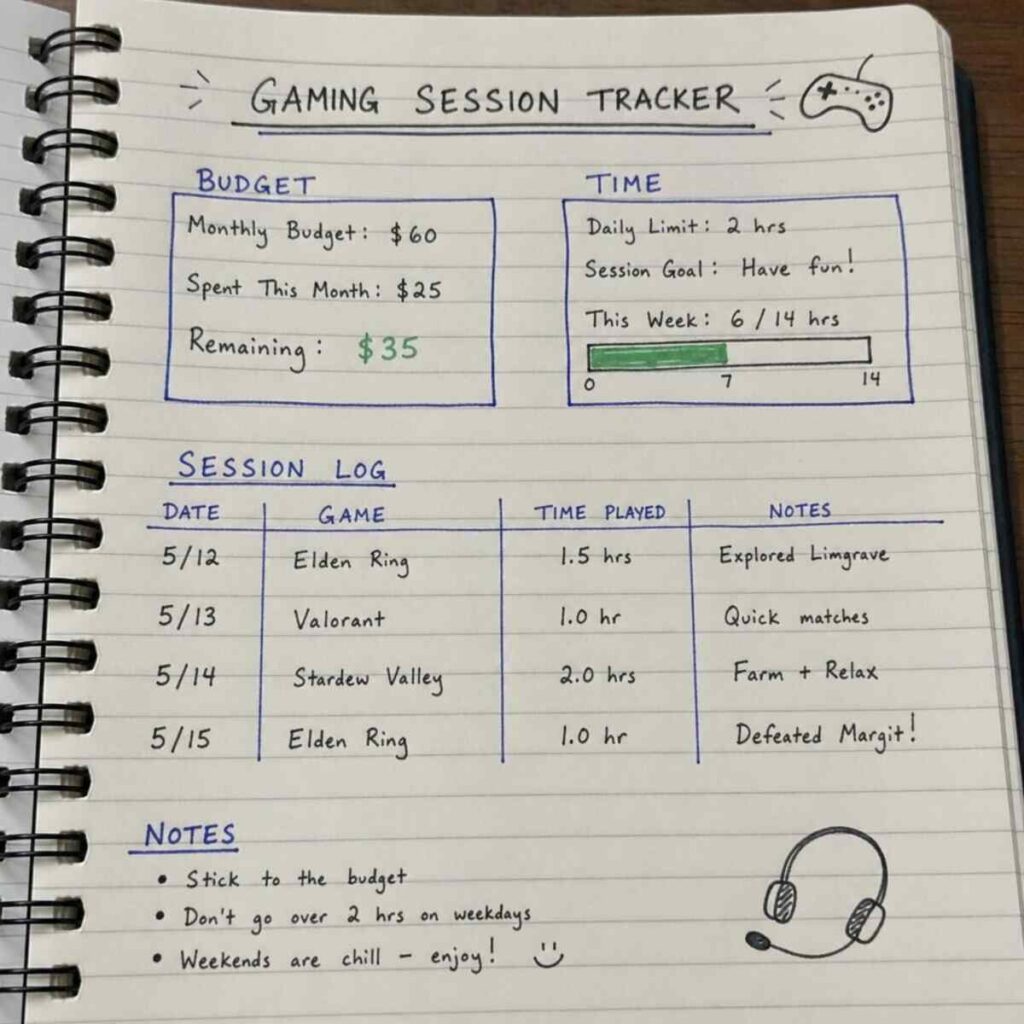
Track your sessions like a practical player
Tracking is one of the most underrated strategies in online gaming. It gives you a clearer picture of your habits, not just your outcomes. Many players remember big wins and frustrating losses, but they forget the small decisions that shaped the session.
A basic tracking note can include:
- Date and session length.
- Game or category played.
- Starting budget.
- Ending balance.
- Highest stake used.
- Whether you followed your stop-loss limit.
- Whether you followed your time limit.
- Mood before and after the session.
- One lesson for next time.
This does not need to be complicated. A simple note on your phone is enough. The goal is to notice patterns.
For example, you might discover that you make better decisions during short sessions than long ones. You may notice that you change games too often after losses. You may find that certain game types make you impatient. These insights are more valuable than one isolated result.
Tracking also helps separate skillful behavior from lucky outcomes. If you broke every rule and still ended ahead, that was not a good strategy. If you followed your plan and ended with a small loss, that may still be a disciplined session. Over time, disciplined behavior matters more than the emotional memory of any single round.
Understand the difference between entertainment and expectation
A healthy approach to remi189 gaming treats play as entertainment with risk, not as income. This distinction matters. Entertainment has a cost, a time limit, and a planned stopping point. Income requires reliability, predictability, and control that chance-based gaming lacks.
When players confuse entertainment with expectation, they may begin making poor decisions. They might chase losses because they believe the next result must correct the last one. They might increase stakes because they feel close to a breakthrough. They might spend more time playing because they are trying to reach a target rather than enjoy a session.
A practical mindset is to decide what a session is worth before it begins. If you would not be comfortable spending that amount on another form of entertainment, such as a night out or a hobby, it may be too much for gaming. This framing makes the budget feel real.
You can also use a simple statement before every session: “This money is for entertainment, and I may lose it.” If that sentence feels uncomfortable, reduce the budget or do not play. Responsible play begins with honest expectations.
Avoid chasing losses and forcing recovery
Chasing losses is one of the most common and damaging patterns in online gaming. It happens when a player keeps playing primarily to recover what was lost, often by increasing the stakes, extending the session time, or abandoning the original plan.
The problem with chasing is that it turns one loss into a chain of emotional decisions. The player is no longer choosing based on strategy. They are reacting to discomfort.
To avoid chasing, create recovery rules before you play:
- If you reach your stop-loss point, the session ends.
- If you feel the urge to recover quickly, take a break immediately.
- If you raise your stake after a loss, pause and return to your original stake or stop.
- If you start calculating how much you “need” to win back, stop the session.
- If you feel angry at a game, leave that game.
Original example: Andre sets a session budget and loses most of it earlier than expected. He feels tempted to deposit more because he believes the next round could change everything. Instead, he follows his rule and logs out. Later, he notes that stopping was frustrating but correct. That is a successful recovery strategy because it prevents a small loss from becoming a larger one.
Recovery should happen away from the game, not inside it. A walk, a meal, or a full day away from the platform is often more useful than another round.
Practice game selection by category
Different game categories create different experiences. Some are fast and visual. Some involve decisions. Some move slowly and give you time to think. A strong player does not choose based only on excitement; they choose based on fit.
Slot-style games reward patience and pacing
Slot-style games are often easy to start, but that simplicity can encourage fast play. Because outcomes are chance-based, your main control points are stake size, session length, and game choice. You cannot force a bonus round or predict a specific outcome, so discipline matters.
When playing slot-style games, consider using a fixed number of rounds or a fixed time window. Avoid speeding up the game when results feel slow. If the game has bonus features, learn how they work before assuming they are easy to trigger or valuable in every session.
A practical slot-style plan might be: choose one game, use one stake size, play for a set number of rounds, and stop regardless of the result. This removes many emotional decisions.
Casino-style games require rule awareness
Casino-style games may involve more visible rules and player choices, depending on the format. Before playing, learn the basic mechanics and avoid side options or extra features you do not understand. Extra choices can add complexity and may increase risk if used carelessly.
Pace is important here. Live or fast casino formats can make decisions feel urgent. If you feel pressured, slow down or leave the table. A game that does not give you enough time to think may not suit your style.
Sports-related gaming demands research and restraint
Sports-related gaming can feel familiar because many players already follow teams, leagues, or athletes. Familiarity, however, is not the same as strategy. Supporting a team emotionally can interfere with objective decisions.
If you explore sports-related options, separate fandom from analysis. Do not place a wager just because you want a team to win. Avoid combining too many outcomes into a single high-risk selection simply because the potential reward appears larger. Keep stakes modest and understand the market terms before participating.
Make your environment work for you
Your surroundings influence your decisions more than you may realize. Playing while distracted, tired, stressed, or multitasking can weaken discipline. A better environment helps you stay aware of time, budget, and mood.
Set up your session intentionally. Choose a time when you are not rushing. Avoid playing while upset or under pressure. Keep your tracking note visible. Turn off unrelated notifications if they make you anxious or distracted.
A practical environment checklist:
- Play only when you are alert and calm.
- Avoid gaming during work, study, or family responsibilities.
- Keep a timer visible.
- Keep your budget written down.
- Do not play while using alcohol or anything that affects judgment.
- Avoid playing as a response to boredom, stress, or anger.
- Take breaks away from the screen, not just in another app.
Your environment should make good decisions easier. If your setup encourages rushed play, hidden spending, or long sessions, change the setup before playing again.
Use small experiments instead of big guesses
When trying a new game, many players make big guesses. They assume a game is “good,” increase stakes quickly, and judge the experience based on a short result. A better method is to run small experiments.
A small experiment has a clear question. For example:
- Do I enjoy the pace of this game?
- Do I understand the bonus feature after 20 minutes?
- Does this stake size feel comfortable?
- Do I make good decisions in this category?
- Does this promotion fit my normal budget?
Then you test that question with a limited budget and time window. You are not trying to prove the game will pay. You are trying to decide whether it belongs in your regular rotation.
Original example: Sarah wants to explore a new slot-style game on remi189 gaming. She gives herself 25 minutes, uses a low stake, and writes down whether she understands the features. At the end, she realizes the game moves too quickly for her, even though the theme is fun. She removes it from her shortlist. That is a useful result because it helps her avoid future impulsive sessions.
Small experiments reduce pressure. They make learning the goal, not winning.
Know when to stop, even during a good session
Many players focus on stopping during losses, but stopping during a good session is just as important. A positive session can create overconfidence. You may feel like you are making better decisions than usual when you are simply experiencing favorable short-term results.
A stop-win point protects you from giving back a positive result because of excitement. It does not need to be complicated. Decide in advance that if your balance reaches a certain level, you will withdraw, pause, or end the session.
Good-session stopping rules include:
- End the session when you reach your planned win target.
- Withdraw a portion instead of risking the full balance again.
- Take a break after any unusually positive run.
- Do not increase stakes simply because you are ahead.
- Record what happened and return another day.
Stopping while ahead can feel difficult because the session feels enjoyable. But success in online gaming is not only about catching positive moments. It is also about protecting them when they happen.
Keep account safety part of your strategy
Practical strategy is not only about gameplay. It also includes protecting your account, personal information, and payment behavior. Before Playing on remi189 gaming, take account security seriously and verify that you are using the correct platform access point for your region and situation.
Use strong, unique login details. Avoid sharing account information with friends, agents, or strangers online. Be careful with links sent through messages or social media. If something looks unusual, pause and verify before entering personal details.
Account safety habits include:
- Use a strong password that you do not use elsewhere.
- Enable any available security features.
- Avoid saving login details on shared devices.
- Log out after sessions, especially on public or borrowed devices.
- Keep screenshots of important transaction confirmations when appropriate.
- Contact support through official channels only.
- Review account activity regularly.
You should also understand your local rules before participating in any online gaming activity. Laws and access requirements can vary by location. If you are unsure whether a platform or game type is allowed where you live, verify first and do not play until you are confident.
Build a personal pre-play checklist
A checklist turns strategy into action. Instead of relying on memory or willpower, you review a short set of questions before every session. This is especially useful because the best decisions happen before the game begins.
Use this pre-play checklist:
- Am I legally allowed to play where I am? If you are unsure, stop and verify.
- Am I calm and clear-headed? If you are stressed, angry, or tired, wait.
- Have I set a session budget? Write down the exact amount.
- Have I set a time limit? Use a timer, not just a vague intention.
- Do I understand the game I plan to play? If not, lower the stake or learn first.
- Do I have a stop-loss point? Decide when the session ends.
- Do I have a stop-win point? Decide when to protect a positive result.
- Am I using a promotion? Read the terms before accepting it.
- Will I track the session? Record the result and one lesson.
- Can I walk away if the session goes poorly? If not, do not start.
This checklist is simple, but it changes the tone of the session. It moves you from impulse to intention.
Review your results without judging yourself harshly
After a session, review what happened in a practical way. The goal is not to shame yourself after a loss or celebrate blindly after a win. The goal is to learn.
Ask three questions:
- Did I follow my budget and time limits?
- Did I make calm decisions?
- What should I adjust next time?
If you followed your limits, the session had structure. If you broke your limits, look for the trigger. Were you tired? Did you chase a loss? Did a promotion push you into a longer session? Did you switch games too often?
This kind of review helps you improve your process. A player who reviews honestly can identify patterns before they become habits. A player who only focuses on the final balance may miss the most important lessons.
Recognize warning signs early
Responsible play includes recognising when gaming becomes harmful. Warning signs can appear gradually, and they are easier to address early than late. If you notice these patterns, take a break and consider using support tools or speaking with someone you trust.
Warning signs include:
- Playing with money needed for bills, food, rent, savings, or debt payments.
- Hiding gaming activity from family or friends.
- Feeling unable to stop after reaching a limit.
- Chasing losses repeatedly.
- Borrowing money to continue playing.
- Feeling anxious, angry, or depressed because of gaming results.
- Increasing stakes to feel the same excitement.
- Neglecting work, school, relationships, or health.
A strong strategy includes the courage to pause. If gaming stops feeling like entertainment, stepping away is not failure. It is the right decision.
Common mistakes to avoid in remi189 gaming
Even experienced players can fall into predictable traps. Avoiding these mistakes can improve your overall experience and help you stay in control.
Playing without a limit
A session without limits can expand quickly. Always define both a money limit and a time limit. One without the other is incomplete.
Switching games after every loss
Changing games can feel like taking control, but it may simply be frustration in disguise. If you switch, do it because the new game fits your plan, not because the last result annoyed you.
Believing a result is “due”
Chance-based games do not owe you a specific outcome because of previous results. Avoid decisions based on streaks, patterns, or feelings that are not supported by clear rules.
Ignoring promotion conditions
An offer can be unsuitable if it requires too much time, budget, or unfamiliar gameplay. Read the terms before opting in.
Raising stakes too quickly
Stake increases should be planned, limited, and rare. Never use them as an emotional response.
Measuring success only by profit
A disciplined session can still end with a loss, and a careless session can still end ahead. Measure whether you followed your plan, not only the balance.
Create a simple long-term strategy
A long-term strategy helps you avoid treating every session like a fresh start. Instead, each session becomes part of a bigger pattern. You learn what works for your personality, budget, schedule, and preferred game types.
Your long-term strategy might include:
- A monthly entertainment budget.
- A maximum number of sessions per week.
- A shortlist of games you understand.
- A rule for trying new games only with small stakes.
- A written stop-loss and stop-win system.
- A monthly review of session notes.
- A decision to take breaks after emotional sessions.
This approach makes remi189 gaming more intentional. You are not reacting to every outcome. You are building a repeatable process that supports better decisions.
Practical example of a balanced remi189 gaming session
Here is an original example that brings the strategies together.
Nadia wants to spend part of her evening on remi189 gaming. Before logging in, she checks that she is calm, has no urgent responsibilities, and can stop at her planned time. She sets a 40-minute timer and chooses a session budget she is comfortable losing as entertainment.
She decides to play one familiar slot-style game for the first 20 minutes. Her stake is fixed. At the halfway reminder, she checks her balance and mood. She is slightly ahead, but instead of increasing the stake, she keeps the same plan.
After 30 minutes, she reaches her stop-win point. She feels tempted to continue because the session has been enjoyable, but she follows her rule and stops. In her session note, she writes: “Good pace, no game switching, stopped at target.”
This example does not depend on a guaranteed result. The success is in the process: she planned, played within limits, avoided emotional changes, and stopped when her rule said to stop.
Final takeaway
Success in remi189 gaming is not about secret tricks, guaranteed wins, or chasing the perfect game. It is about approaching each session with a clear purpose, a protected budget, a time limit, and the discipline to stop when your plan says to stop. The best strategies are practical: learn the rules, choose games thoughtfully, read promotion terms, track your behavior, and protect your account.
If you treat online gaming as entertainment with risk, you can make calmer and more informed decisions. Play only where it is legal for you, stay within limits you can afford, and step away whenever the experience stops feeling controlled. A smart strategy does not promise outcomes; it protects your decision-making.