


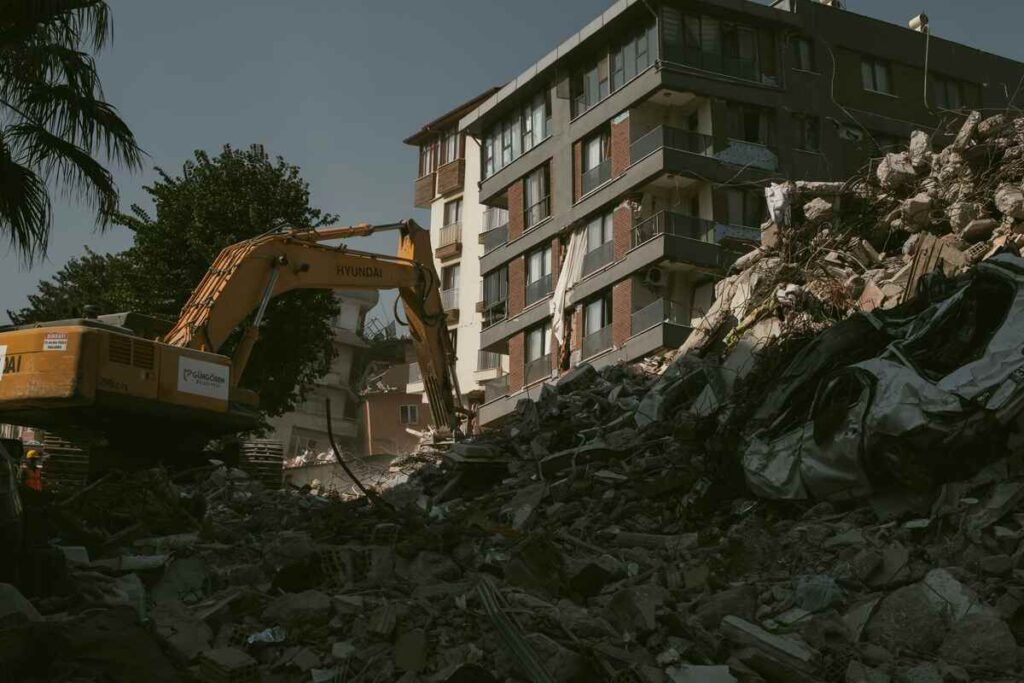
When a structure has reached the end of its useful life, the next step should feel organized—not overwhelming. Whether you need to remove an aging garage, clear a commercial interior, take down a damaged structure, or prepare a Phoenix property for new construction, the right demolition team helps you move forward safely, efficiently, and with a clear plan. Have the Best information about demolition phoenix az.
Demolition is more than “knocking things down.” It involves planning, utility coordination, debris handling, dust control, safety procedures, permitting considerations, and responsible cleanup. In a city like Phoenix—where properties range from historic central neighborhoods to fast-growing suburban corridors—every demolition project needs a practical approach built around the site, the structure, and the surrounding area.
If you are searching for demolition Phoenix AZ, this guide will walk you through what to expect, which services are commonly available, how demolition projects are handled, and what to look for in a qualified local contractor.
Local Demolition Services for Phoenix Properties
Phoenix demolition projects come in many shapes and sizes. Some involve full structural removal. Others require careful selective demolition inside an occupied building. Some jobs are straightforward, while others need coordination with property managers, inspectors, neighboring businesses, or construction crews.
A professional demolition company can typically support projects such as:
- Residential structure removal
- Commercial demolition
- Interior demolition and tenant improvements
- Garage, shed, and outbuilding removal
- Concrete and asphalt removal
- Pool demolition or pool fill-in preparation
- Site clearing
- Fire-damaged or storm-damaged structure removal
- Kitchen, bathroom, and flooring demolition
- Wall, ceiling, and partition removal
- Debris hauling and jobsite cleanup
The goal is simple: remove what needs to go while protecting what needs to stay.
That may sound obvious, but it is the difference between rushed demolition and professional demolition. A good crew plans the sequence, identifies risks, protects surrounding surfaces, manages debris, and leaves the property ready for its next phase.
Why Phoenix Demolition Requires Local Know-How
Phoenix has its own demolition challenges. The heat, dust, tight urban lots, mature neighborhoods, desert landscaping, block construction, slab foundations, and mixed residential-commercial zones all affect how work should be planned.
Local experience matters because a demolition project in Phoenix may involve:
- Limited access in older neighborhoods
- Shared walls or closely spaced structures
- Dust control in dry desert conditions
- Hauling logistics on busy streets
- Protection for nearby hardscape and landscaping
- Coordination around utilities, alleys, driveways, and sidewalks
- Site cleanup that prepares the property for construction, grading, or resale
In many cases, the demolition itself is only one part of the job. The planning, preparation, disposal, and cleanup are what keep the project on track.
Residential Demolition in Phoenix, AZ
Residential demolition can include anything from removing a single interior wall to tearing down an entire house. Homeowners often need demolition services before remodeling, rebuilding, selling a lot, correcting unsafe conditions, or clearing unwanted structures.
Common residential demolition services include:
- Full home demolition
- Partial home demolition
- Garage removal
- Carport removal
- Shed and workshop removal
- Patio cover demolition
- Interior demolition for remodels
- Kitchen and bathroom demolition
- Flooring and tile removal
- Drywall and framing removal
- Concrete patio, driveway, or walkway removal
- Fence and block wall removal
The best residential demolition projects begin with a clear scope. Before work starts, the contractor should understand what is being removed, what must remain, where debris will go, and what conditions may affect access.
For example, a kitchen demolition requires a different approach than a detached garage removal. A bathroom demolition may involve plumbing shutoffs and careful fixture removal. A full structure demolition may require utility disconnection, permit review, asbestos or other hazardous material considerations, and a debris-hauling plan.
A professional team does not treat every job the same. They assess the property, ask questions, and create a plan that fits the project.
Commercial Demolition for Phoenix Businesses
Commercial demolition often requires careful scheduling, clean communication, and attention to surrounding operations. A retail space, restaurant, office, warehouse, or medical suite may need demolition before a new tenant buildout, renovation, equipment installation, or complete redevelopment.
Commercial demolition services may include:
- Interior tenant improvement demolition
- Office buildout removal
- Retail space demolition
- Restaurant interior demolition
- Warehouse partition removal
- Ceiling grid and flooring removal
- Non-load-bearing wall removal
- Fixtures, millwork, and cabinetry removal
- Concrete slab or equipment pad removal
- Selective demolition for remodeling contractors
- Full commercial structure demolition when appropriate
In commercial settings, the details matter. Noise, dust, access, loading areas, neighboring tenants, work hours, and safety barriers may all need to be considered.
A well-run commercial demolition project keeps the work area organized, communicates clearly with stakeholders, and stays focused on preparing the space for the next trade or phase of construction.
Interior Demolition and Selective Demolition
Not every demolition project involves removing an entire building. In many cases, the right solution is selective demolition: removing specific materials or components while preserving the surrounding structure.
Selective demolition may include removing:
- Interior walls
- Cabinets and countertops
- Flooring and tile
- Ceiling systems
- Doors and frames
- Built-in shelving
- Bathroom fixtures
- Kitchen fixtures
- Drywall and plaster
- Non-structural framing
- Commercial partitions
- Old finishes and damaged materials
Selective demolition requires control. Crews need to know where to cut, what to protect, and how to avoid damaging surrounding surfaces, utilities, or structural components.
This is especially important during remodels. A remodel is easier when demolition is clean, organized, and complete. Poor demolition can create avoidable repairs. Professional selective demolition helps contractors, designers, and property owners start the rebuild phase with fewer surprises.
Full Structure Demolition
Full structure demolition is a larger project that requires thorough planning. This may involve removing a house, small commercial building, detached structure, or other building on the property.
A full demolition project may include:
- Site evaluation
- Review of access points
- Utility disconnection coordination
- Permit and compliance planning where required
- Hazard assessment
- Equipment planning
- Dust and debris control
- Structural teardown
- Material sorting and loading
- Hauling and disposal
- Final site cleanup
The timeline depends on the structure, site conditions, permitting needs, utilities, and disposal requirements. A small detached building may be handled quickly, while a larger or more complex structure may require more preparation.
The most important thing is that full demolition should not begin casually. The contractor should have a plan for safety, debris, access, equipment, and cleanup before equipment arrives.
Concrete, Asphalt, and Hardscape Removal
Phoenix properties often include concrete patios, driveways, slabs, walkways, pool decks, curbs, stem walls, and block features that eventually need removal. Concrete demolition can be physically demanding and equipment-intensive, especially when dealing with thick slabs, reinforced concrete, or limited access.
Concrete and hardscape removal may include:
- Driveway demolition
- Patio slab removal
- Sidewalk removal
- Garage slab removal
- Pool deck removal
- Concrete pad removal
- Footing and stem wall removal
- Asphalt removal
- Block wall demolition
- Landscape wall removal
Concrete removal should be planned around access, haul-off weight, underground utilities, nearby structures, and the condition of the surrounding area. In some cases, saw cutting may be needed to create cleaner edges or protect adjacent surfaces.
A professional demolition crew can help determine the right method and leave the area ready for replacement, grading, landscaping, or new construction.
Pool Demolition and Pool Removal Support
Pool removal is a common need in Phoenix, especially when a pool is old, damaged, expensive to maintain, or no longer fits the homeowner’s plans. Depending on the property owner’s goals and local requirements, a pool project may involve partial removal, full removal, or preparation for engineered backfill.
Pool demolition may involve:
- Draining coordination
- Deck removal
- Breaking pool shell sections
- Removing concrete or gunite
- Backfill preparation
- Debris hauling
- Site leveling
- Coordination with grading or landscaping plans
Because pool removal can affect drainage, soil stability, and future property use, it should be handled carefully. If you plan to build on the area later, discuss that goal upfront so the demolition plan supports the intended outcome.
Garage, Shed, and Outbuilding Removal
Detached garages, sheds, workshops, storage rooms, and older outbuildings often pose safety risks or impede new projects. Removal can open up a yard, make room for an addition, clear a lot, or eliminate a deteriorating structure.
Outbuilding demolition may include:
- Light framing removal
- Roof removal
- Slab removal if requested
- Electrical disconnect coordination
- Debris sorting
- Hauling and cleanup
Even small buildings can contain hazards such as sharp metal, unstable framing, pests, old wiring, or deteriorated roofing. Professional demolition helps reduce risk and keeps the cleanup manageable.
Site Clearing and Lot Preparation
Before a new build, addition, landscape overhaul, or commercial development can begin, the site may need to be cleared. Site clearing can include removing small structures, concrete, debris, brush, fencing, old materials, or leftover construction waste.
Site clearing services may support:
- New home construction
- Commercial redevelopment
- Lot cleanup
- Remodel preparation
- Landscape renovation
- Fire-damaged property cleanup
- Code compliance cleanup
- Sale or lease preparation
A clean site is easier to inspect, measure, grade, and build on. It also improves safety for future crews and helps the next phase start with fewer delays.
Safe Demolition Starts Before the First Swing
Good demolition begins with preparation. Before any material is removed, the site should be evaluated for safety concerns and logistical challenges.
A demolition contractor may review:
- What materials need removal
- Whether utilities are present
- Whether the structure is stable
- Access for workers and equipment
- Nearby buildings, fences, and landscaping
- Debris loading areas
- Dust control needs
- Traffic or pedestrian considerations
- Potential hazardous materials
- Permit or notification requirements
This preparation protects the property owner, the crew, neighboring properties, and future construction teams.
Demolition can look simple from the outside, but every property has variables. A careful plan reduces surprises.
Safety and Compliance Considerations
Demolition work should always be handled with respect for safety rules, site conditions, and applicable requirements. Depending on the project, safety and compliance considerations may include permitting, utility disconnection, debris disposal rules, dust control, hazardous material assessment, and worker protection.
Property owners should ask about:
- Whether permits may be needed
- How utilities will be shut off or protected
- Whether asbestos, lead-based paint, or other hazards may be present
- How will dust be managed
- Where debris will be staged
- How the work area will be secured
- Whether neighbors or tenants need notice
- How disposal will be handled
- What cleanup is included
Requirements can vary based on the property, structure type, municipality, and project scope. A qualified local contractor can help you understand what may apply and direct you toward the appropriate city, county, or agency guidance when needed.
The key is not to guess. If a structure is older, damaged, or unusual, it is worth taking extra time to evaluate the site before demolition begins.
Utility Coordination Matters
Utilities are one of the most important parts of demolition planning. Depending on the project, electrical, gas, water, sewer, irrigation, communication lines, or other services may need to be identified, shut off, capped, protected, or coordinated with the proper provider.
For a small interior demolition, this may mean confirming that fixtures, outlets, or plumbing lines are safe before removal. For a full building demolition, utility coordination may be more extensive.
Never assume a line is inactive simply because a building is vacant or a fixture appears unused. Professional demolition planning includes utility awareness, as hidden lines can pose serious risks.
Dust Control in the Desert
Phoenix demolition projects often happen in dry, dusty conditions. That makes dust control an important part of the process, especially near homes, businesses, roads, sidewalks, and neighboring properties.
Dust control may involve:
- Wetting materials when appropriate
- Using controlled removal methods
- Limiting unnecessary disturbance
- Covering or containing debris loads
- Keeping the site organized
- Cleaning work areas during and after demolition
Dust cannot always be eliminated completely, but it can be managed. A responsible demolition crew takes dust seriously because it affects safety, visibility, cleanliness, and the experience of people nearby.
Debris Removal and Responsible Disposal
Demolition creates debris. That debris needs to be loaded, hauled, and properly disposed of. Depending on the project, materials may include wood, drywall, concrete, metal, tile, asphalt, roofing, cabinets, fixtures, insulation, glass, or mixed construction waste.
A demolition estimate should make clear what debris removal includes. Ask questions such as:
- Is hauling included?
- Will the debris be removed the same day or in phases?
- Where will the dumpster or truck be placed?
- Are there materials that require special handling?
- Will the site be swept, raked, or rough-cleaned afterward?
- Is concrete removal included or separate?
Cleanup is a major part of the customer experience. A demolition job is not truly complete if the owner is left with piles of debris and no plan.
Our Demolition Process
A clear process helps property owners feel confident from the first call to the final cleanup. While every project is different, a professional demolition process often follows these steps.
1. Initial Conversation
The first step is understanding your project. What needs to be removed? Where is the property located? Is it residential or commercial? Are you preparing for a remodel, a rebuild, a sale, or a safety correction?
Helpful details include:
- Property location in the Phoenix area
- Type of structure or material to remove
- Approximate size or scope
- Photos of the project area
- Access details
- Timeline goals
- Known hazards or utility concerns
- Whether permits or inspections are already involved
The more information you can provide upfront, the easier it is to plan accurately.
2. Site Review or Photo Review
Some projects can be reviewed using photos, measurements, and a detailed conversation. Others require an in-person site visit. During the review, the demolition team looks at access, safety, materials, debris logistics, and any conditions that may affect pricing or scheduling.
This step helps prevent vague estimates and avoidable change orders.
3. Scope and Estimate
Once the project is understood, you should receive a clear scope of work. A good demolition estimate should explain what is included and what may be excluded.
It may cover:
- Areas to be demolished
- Materials to be removed
- Hauling and disposal
- Basic cleanup
- Equipment needs
- Access requirements
- Timeline expectations
- Items needing owner coordination
- Permit or utility responsibilities, if applicable
Avoid relying only on the lowest price. Demolition pricing can vary based on scope, safety, disposal, and cleanup. A cheaper estimate may not include the same level of service.
4. Planning and Preparation
Before work begins, the crew confirms the plan. This may include utility shutoffs, access arrangements, parking, dumpster placement, neighbor considerations, or protection for areas that should not be damaged.
For commercial projects, this step may also include scheduling around tenant hours, building rules, or contractor timelines.
5. Demolition Work
The crew removes the approved materials according to the plan. Depending on the job, the work may involve hand tools, saws, compact equipment, heavy machinery, dumpsters, dump trailers, or hauling trucks.
Professional crews focus on controlled removal, not chaos. That means working in a sequence, maintaining awareness of site conditions, and keeping the debris path as clean and safe as possible.
6. Hauling and Cleanup
Once demolition is complete, debris is loaded and hauled away in accordance with the agreed scope. The area is then cleaned to the level described in the estimate.
For some projects, this may mean a rough construction-ready cleanup. For others, it may include more detailed sweeping or removal of small debris. Always confirm expectations before the job begins.
7. Final Walkthrough
A final walkthrough gives you a chance to review the completed work and confirm that the agreed scope has been handled. This is also the time to discuss next steps if another contractor will begin framing, grading, plumbing, landscaping, or rebuilding.
What Affects Demolition Cost in Phoenix?
Demolition pricing depends on several factors. Since every property is different, it is best to request an estimate based on your exact scope rather than relying on generic numbers.
Common cost factors include:
- Size of the structure or area
- Type of materials being removed
- Whether the work is interior, exterior, partial, or full demolition
- Access for equipment and hauling
- Distance to the debris loading area
- Weight and volume of debris
- Concrete thickness or reinforcement
- Utility coordination needs
- Permit or inspection requirements
- Hazardous material concerns
- Dust control or containment needs
- Timeline urgency
- Cleanup expectations
For example, removing a small shed is very different from removing a block wall, a concrete slab, or a full house. Interior demolition in a high-rise or shopping center may involve loading restrictions, elevator protection, or after-hours scheduling. A backyard concrete removal project may require wheelbarrow hauling if equipment access is limited.
The best way to get useful pricing is to provide photos, measurements, and a clear description of what you want removed.
How to Choose a Demolition Contractor in Phoenix
Choosing a demolition contractor is not just about availability. It is about trust, safety, communication, and fit for the project.
When comparing demolition companies, look for:
- Experience with your type of project
- Clear communication
- A written scope of work
- Safety awareness
- Proper insurance
- Understanding of local conditions
- Transparent debris removal expectations
- Ability to explain the process
- Good scheduling communication
- Respect for your property
You may come across local searches such as “Dickens Quality Demolition Phoenix, AZ” or “Arizona Speciality Demolition Phoenix, AZ” while comparing options. No matter which companies you review, focus on the fundamentals: clear scope, safe practices, local experience, proper coverage, and a cleanup plan that matches your needs.
A reliable demolition contractor should be willing to answer questions before work begins. If the details are vague, ask for clarification.
Questions to Ask Before Hiring
Before approving a demolition project, consider asking:
- What exactly is included in the demolition scope?
- Is hauling and disposal included?
- What level of cleanup is included?
- Do you see any safety concerns?
- Are utilities involved?
- Are permits or notices likely to be required?
- How will dust be controlled?
- How will nearby surfaces or structures be protected?
- What equipment will be used?
- Where will debris be staged or loaded?
- How long is the project expected to take?
- What could change the price or timeline?
- Are there materials that require special handling?
Good answers help you understand the project. They also show whether the contractor has thought through the work.
Residential Areas We Commonly Serve Around Phoenix
A local demolition team may support projects throughout Phoenix and nearby communities, depending on scheduling and scope.
Common service areas can include:
- Central Phoenix
- Downtown Phoenix
- Arcadia
- Biltmore area
- Encanto
- Camelback East
- North Phoenix
- Deer Valley
- Ahwatukee
- Maryvale
- Laveen
- South Mountain
- Paradise Valley area
- Glendale
- Scottsdale
- Tempe
- Mesa
- Chandler
- Peoria
- Goodyear
- Avondale
- Surprise
Service availability can depend on the project type, travel distance, equipment needs, and schedule. If you are nearby but do not see your area listed, it is still worth asking.
Demolition for Remodels and Renovations
A strong remodel begins with clean demolition. Whether you are updating a kitchen, opening up a floor plan, renovating a rental, or preparing a commercial suite, the demolition phase sets the tone for the project.
Remodel demolition may include:
- Cabinet removal
- Countertop removal
- Appliance removal coordination
- Tile and flooring removal
- Drywall removal
- Bathroom fixture removal
- Shower and tub demolition
- Non-load-bearing wall removal
- Ceiling removal
- Trim and door removal
- Old built-in removal
The goal is not just to remove old materials. It is to create a clean starting point for the next trade.
Contractors appreciate demolition that is complete, organized, and ready for framing, electrical, plumbing, flooring, or finish work. Homeowners appreciate a crew that respects the property and keeps disruption to a minimum.
Demolition for Investors, Property Managers, and Contractors
Demolition services are often needed by more than just homeowners. Investors, real estate agents, landlords, property managers, builders, restoration companies, and general contractors all rely on demolition support.
A demolition company can help with:
- Rental turnover preparation
- Distressed property cleanup
- Fire or water damage removal
- Pre-renovation tear-outs
- Commercial tenant improvements
- Foreclosure or estate cleanouts involving demolition scope
- Code-related cleanup support
- Pre-construction site preparation
- Contractor overflow work
For professional clients, communication and consistency matter. You need a crew that shows up, understands the scope, works safely, and keeps the project moving.
Emergency and Damage-Related Demolition
Some demolition needs are planned months in advance. Others arise suddenly after fire, water damage, vehicle impact, storm damage, collapse, vandalism, or structural deterioration.
Damage-related demolition may involve unstable materials, contaminated debris, exposed utilities, or urgent safety concerns. These jobs should be evaluated carefully before work begins.
Possible services include:
- Removal of damaged framing or finishes
- Cleanup after fire-damaged materials are cleared for removal
- Removal of collapsed sheds, carports, or patio covers
- Selective demolition for restoration contractors
- Unsafe structure removal support
- Debris hauling after approved demolition work
If the property is insured, coordinate with your insurance company, adjuster, or restoration contractor as needed. Demolition contractors can often work alongside other professionals, but the scope should be clearly defined.
What Not to DIY
Some small removal tasks may be manageable for property owners. But many demolition projects are riskier than they appear. DIY demolition can expose homeowners to injury, hidden utilities, structural damage, dust, sharp debris, and disposal problems.
Be cautious with DIY demolition involving:
- Load-bearing walls
- Electrical wiring
- Gas lines
- Plumbing lines
- Roofing
- Concrete breaking
- Large sheds or garages
- Older materials that may contain asbestos or lead
- Fire-damaged structures
- Water-damaged materials
- Unstable walls or ceilings
- Commercial properties
The question is not just “Can I remove it?” The better question is “Can I remove it safely, legally, cleanly, and without creating a larger problem?”
For many projects, hiring a professional saves time and reduces risk.
Preparing for Your Demolition Project
A little preparation can make your demolition project go more smoothly.
Before the crew arrives, consider these steps:
- Remove personal belongings from the work area
- Identify items you want to keep or salvage
- Clear access paths where possible
- Move vehicles away from loading areas
- Secure pets away from the work zone
- Notify tenants, neighbors, or staff if needed
- Confirm utility shutoffs if they are your responsibility
- Take photos of the area before work begins
- Ask what areas should remain off-limits
- Confirm cleanup expectations
If you are not sure what to do before demolition day, ask. A good contractor will explain what helps and what they will handle.
Salvage, Recycling, and Reuse
Not everything removed during demolition needs to be treated the same way. Some materials may be salvageable, reusable, recyclable, or separated from general debris when practical.
Possible salvage or recycling materials may include:
- Metal fixtures
- Appliances, if accepted and safe to remove
- Doors or hardware
- Cabinets in reusable condition
- Concrete for recycling where available
- Wood materials, depending on condition
- Certain commercial fixtures
Availability depends on the condition of materials, project timeline, disposal options, and local facilities. If you want to save or donate specific items, mention that before the estimate is finalized. Salvage usually requires more careful removal than standard demolition, so it should be planned upfront.
Working Around Occupied Homes and Businesses
Demolition can be disruptive, but it does not have to feel out of control. When work happens in or near occupied spaces, communication becomes even more important.
For occupied homes, crews may need to consider:
- Dust containment
- Access paths
- Noise expectations
- Daily cleanup
- Safe separation from living areas
- Protection of floors and surfaces
- Family and pet safety
For occupied businesses, planning may include:
- Work hours
- Customer access
- Tenant coordination
- Loading zones
- Building management requirements
- Noise limitations
- Dust barriers
- Elevator or hallway protection
A thoughtful demolition plan respects the people who still need to live, work, or move around the property.
Demolition for New Construction and Additions
If demolition is the first step toward new construction, the end condition matters. Builders, architects, engineers, and inspectors may require the site to be prepared in a specific way.
Discuss future plans before demolition begins, especially if the project involves:
- Building a new home
- Adding a room
- Expanding a garage
- Installing a new driveway
- Building a guest house or accessory structure
- Reworking grading or drainage
- Replacing concrete
- Installing utilities
- Preparing for landscaping or hardscape
Demolition should support the next step—not create new obstacles. Clear communication between the demolition crew and the next contractor can help prevent duplicated work.
The Value of a Clean Jobsite
A clean jobsite is not just about appearance. It supports safety, efficiency, and project momentum.
Good cleanup helps:
- Reduce trip hazards
- Improve access for the next crew
- Limit dust and loose debris
- Make inspections easier
- Protect tires and equipment
- Improve the property owner’s experience
- Keep the project moving forward
Before approving an estimate, ask what “cleanup” means. Some jobs require only rough cleanup, while others need a more detailed finish. Setting expectations early avoids frustration later.
Why Communication Is Part of the Service
Demolition is physical work, but communication is what makes the experience easier for the customer.
You should expect clear answers about:
- Scheduling
- Arrival windows
- Scope
- Project duration
- Access needs
- Utility concerns
- Debris handling
- Cleanup
- Potential issues
- Next steps
Good communication also helps when unexpected conditions appear. Hidden layers, thicker concrete, buried debris, damaged framing, or unknown utility lines can change the plan. A professional contractor explains the issue and discusses options before moving forward.
Local Intent: Built for Phoenix Projects
Phoenix is a construction-heavy, renovation-friendly, growth-focused city. Homeowners are updating older properties. Investors are improving rentals. Businesses are refreshing commercial spaces. Builders are clearing lots for new development. Property managers are preparing units and suites for the next tenant.
That creates steady demand for reliable demolition services.
When you search for demolition Phoenix AZ, you are likely looking for a company that understands the area, works safely in desert conditions, communicates clearly, and leaves the site ready for what comes next.
Local demolition is not just about equipment. It is about knowing how to work around Phoenix properties, neighbourhoods, heat, dust, access limits, and construction schedules.
Signs You May Need Professional Demolition
You may be ready to call a demolition contractor if:
- A structure is unsafe, leaning, damaged, or deteriorating
- You are planning a remodel and need a clean tear-out
- A tenant space needs to be returned to shell condition
- A garage, shed, or patio cover is no longer usable
- Concrete is cracked, uneven, or in the way of new work
- A pool is no longer wanted or needs major removal work
- A property needs cleanup before sale or construction
- Fire or water damage has left materials beyond repair
- You need debris removed as part of a larger project
- You want the job done faster and safer than DIY
If you are unsure whether your project is demolition, hauling, restoration, or construction prep, describe the goal. A professional can help define the scope.
What Makes a Demolition Estimate Accurate?
An accurate estimate depends on accurate information. If you want a useful quote, provide as much detail as possible.
Helpful information includes:
- Photos from multiple angles
- Approximate dimensions
- Material type
- Whether concrete is involved
- Whether the structure is attached or detached
- Access width for equipment
- Distance from work area to street or driveway
- Whether utilities are present
- Whether you need debris hauled away
- Desired timeline
- Any known permit or HOA concerns
If the contractor asks follow-up questions, that is a good sign. It means they are trying to understand the job rather than guessing.
Red Flags to Watch For
Not every demolition provider offers the same level of professionalism. Be cautious if you encounter:
- Vague pricing with no defined scope
- No discussion of utilities
- No mention of debris disposal
- No safety questions
- Pressure to start immediately without review
- Unclear insurance status
- No cleanup expectations
- Poor communication
- Reluctance to answer questions
- “One price fits all” answers for complex work
A demolition contractor does not need to make the process complicated, but they should take it seriously.
Frequently Asked Questions
Do I need a permit for demolition in Phoenix?
Permit needs can vary based on the location, structure type, project scope, and local requirements. Full structural demolition is more likely to involve permitting than a small interior tear-out, but every project should be reviewed individually. A local demolition contractor can help you understand what may apply and point you toward the proper city or county resources when needed.
How long does a demolition project take?
Small interior demolition or shed removal may be completed quickly, while full structure demolition, concrete removal, commercial work, or projects involving utilities and permits may take longer. Timeline depends on scope, access, debris volume, scheduling, and any required approvals.
Is debris hauling included?
It depends on the estimate. Many demolition services include hauling and disposal, but you should confirm this before work begins. Ask whether all debris will be removed, whether a dumpster is needed, and what level of cleanup is included.
Can you remove concrete?
Yes, many demolition contractors handle concrete removal, including patios, driveways, slabs, walkways, pool decks, and small foundations. Concrete removal pricing depends on thickness, reinforcement, access, disposal weight, and whether clean edges or saw cutting are needed.
Can demolition be done inside an occupied home?
Yes, selective interior demolition can often be performed in occupied homes, but planning is important. Dust control, access paths, noise, daily cleanup, and safety separation should be discussed before the project begins.
What is selective demolition?
Selective demolition means removing specific parts of a structure while leaving other areas intact. Examples include removing cabinets, flooring, drywall, interior partitions, fixtures, or non-load-bearing walls during a remodel.
What should I do before demolition starts?
Remove personal belongings, identify anything you want to keep, clear access where possible, secure pets, move vehicles, and confirm utility responsibilities. Your contractor should explain any project-specific preparation.
Can you work with general contractors or property managers?
Yes, demolition companies often support contractors, investors, property managers, landlords, and commercial tenants. Clear scopes, scheduling, and jobsite expectations are especially important for professional clients.
What happens if hidden damage or unexpected materials are found?
Unexpected conditions can happen, especially in older buildings. If the scope changes, the contractor should stop, explain the issue, and discuss options before continuing with additional work.
How do I compare demolition companies in Phoenix?
Compare experience, communication, clarity of scope, insurance, safety practices, hauling plans, and cleanup expectations. If you are researching terms like Dickens Quality Demolition Phoenix, AZ, Arizona Speciality Demolition Phoenix, AZ, or other local providers, look beyond the name and focus on the details that affect your project outcome.
Can you demolish a pool?
Many demolition contractors can assist with pool demolition or pool removal preparation. The right approach depends on the pool type, access, future plans for the area, backfill needs, and applicable local requirements.
Do I need to disconnect utilities first?
For many demolition projects, utilities must be addressed before work begins. The responsible party may vary depending on the service, property, and project. Never assume utilities are inactive. Discuss this early so the job can be planned safely.
Will demolition create a lot of dust?
Demolition can create dust, especially in Phoenix’s dry climate. A responsible crew uses practical dust-control steps when appropriate, such as controlled removal methods, wetting materials when suitable, and keeping debris organized.
Can you remove only part of a structure?
Yes, partial demolition is common. It may involve removing an addition, a wall, a section of roof, a patio cover, a garage, or an interior area. Partial demolition requires care to protect the remaining structure.
How soon can I schedule demolition?
Scheduling depends on project size, crew availability, required preparation, permits, utilities, and equipment needs. Simple jobs may be scheduled sooner than complex projects. The best first step is to request an estimate and provide photos.
Ready to Plan Your Phoenix Demolition Project?
The right demolition team helps you remove what is no longer needed and prepare your property for what comes next. From interior tear-outs to concrete removal, commercial demolition, site clearing, and full structure removal, professional planning makes the process safer and smoother.
If you are looking for dependable demolition Phoenix AZ services, start with a clear conversation. Share your project details, photos, timeline, and goals. Ask questions. Confirm the scope. Make sure hauling, safety, and cleanup are part of the plan.
When demolition is done right, the result is not just an empty space—it is a clean beginning.
Contact a local Phoenix demolition team today to request an estimate and take the next step with confidence.